
Spectrum is the oxygen of wireless systems – without it they can’t operate – and Ofcom has considerably reduced the PMSE (Programme Making and Special Events) spectrum for radio microphones & in-ear systems. In 2020 the 700Mhz band was cleared and is being used by mobile phone companies and mobile service providers. In 2012 the 800Mhz band was cleared for the same purpose.
 Paradoxically, radio microphones and in-ear systems are indispensable to the production of the very content that the mobile companies wish to serve us with.
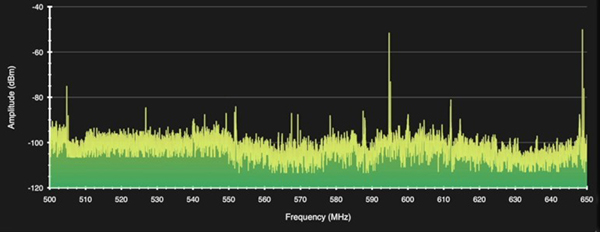
The challenge is severe for PMSE users as the spectrum remaining to them (470 – 694 Mhz) is congested with Digital TV Transmissions as broadcasters have also had to re-locate to it. PMSE uses the spectrum not taken by TV transmissions – so availability varies on a regional basis.
Happily the threat to PMSE spectrum from proposals to be put to the World Radio Conference (WRC) in November2023 did not materialise. Although there were some compromises (notably a secondary allocation to Mobile IMT in the 614 – 698 Mhz band) these are not expected to impact UK/Europe in the near/mid future. Furthermore the allocation of the 600Mhz band is now not due to be reviewed until WRC 2031. A big shout-out goes to the steering group of BEIRG (British Entertainment Industry Group) for all the hard work they put in behind the scenes on this.
Digital radio mic systems are helping – these systems are more spectrum efficient, enabling a higher channel count in a given bandwidth. However digital in-ear systems are not emerging so quickly and for simultaneous use of digital radio mics and analogue in-ear systems careful planning and coordination are essential.

 TxRx Sound Solutions